Nez Perce National Historical Park
Spalding, Idaho
A great designer knows the rules for how to create the best visitor experience. The best designers know when, why, and how to break them.
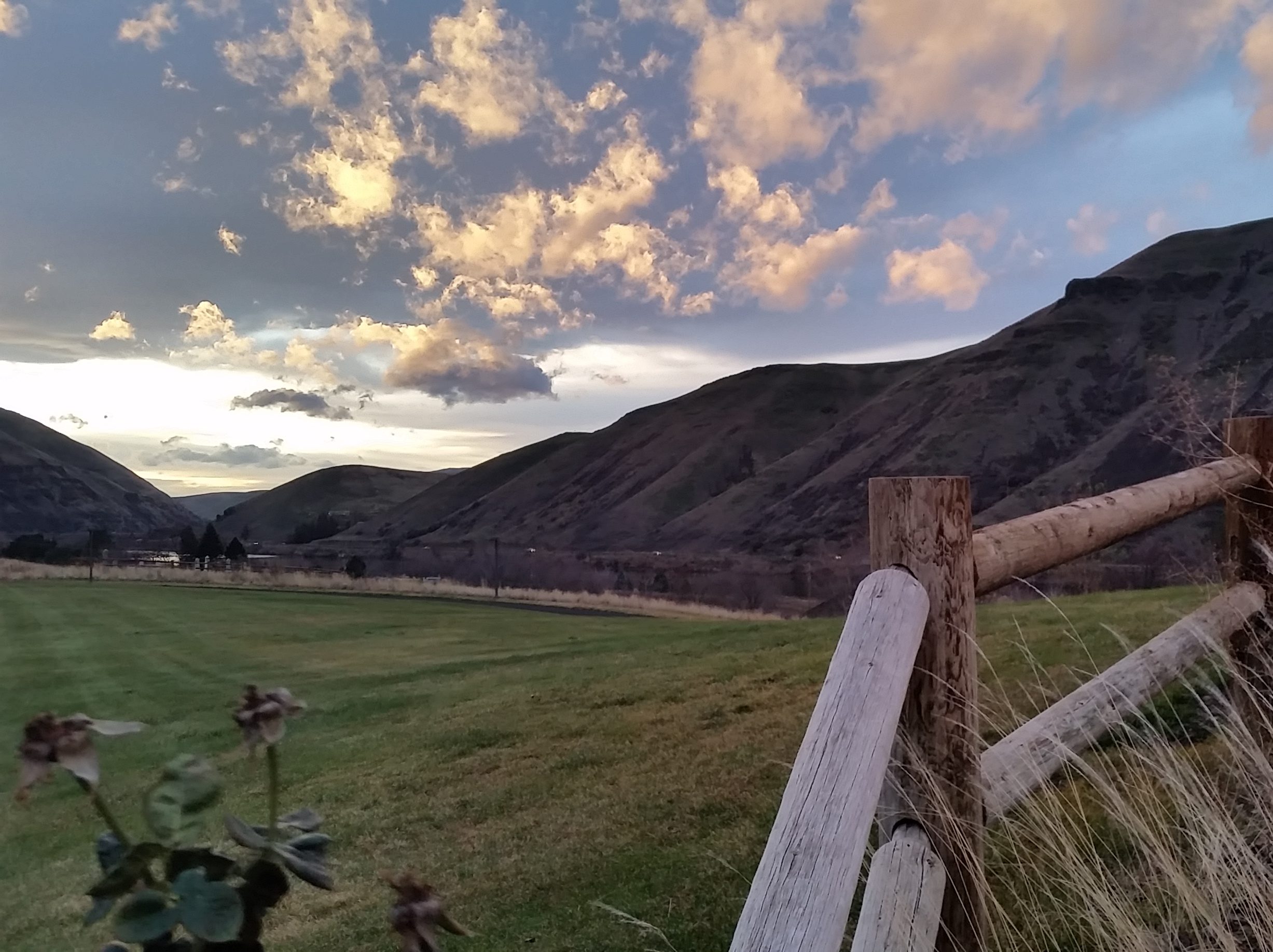
Nez Perce National Historical park is unique among NPS as the only unit dedicated to a living group of people, the Nimíipuu (or “Nez Perce,” as Euro-Americans named them). The park, and its visitor center, sit squarely on the Nez Perce Reservation, itself just a fraction of the range once occupied by a people who trace their occupancy to time immemorial. I was fortunate to manage and lead content and design efforts for new exhibits at the park’s Spalding Visitor Center, the central point for interpretation of the Nez Perce people past, present, and future.
No exhibit design project is simple. Flexibility and creativity always yield the best results when purposefully done. For this unique park’s new exhibit, though, I learned some particularly valuable insights into how, why, and when to break some of the cardinal rules of experience design.
RULE #1: know your audience.
If you want to create a great visitor experience, you gotta know your visitors. National parks, by definition, serve a rather broad audience: every American.
Why we bend it: Good design considers the audience. Outstanding design studies the audience, and takes thoughtful, decisive action based on the unique dynamics in the specific target group. At Nez Perce National Historical Park, the key audience is the Nimíipuu themeslves—and young people in particular. Every decision, from space flow and narrative planning down to color selections and word choice, derives from the indigenous perspective.
That’s a viewpoint we don’t have. Tribal elders guided the design process from start to finish, serving on stakeholder panels at each iteration.
RULE #2: user comfort is king.
Human-centered design emphasizes the importance of understanding and empathizing with visitor needs as a critical path to designing for maximum engagement.
Why we bend it: What do you do when two groups of visitors have different needs? By pursuing a Nimíipuu-centered experience, we have consciously advanced a design that will be challenging and foreign to the non-native visitor. Doing so emphasizes the core of what the experience is all about: this is the Nez Perce homeland, and these are the Nez Perce people. Diluting this message, and the way we deliver it, would mean diluting the authenticity of the entire experience.
RULE #3: stick to the process.
The National Park Service uses a long-established, industry-leading exhibit design process. And process is good: there’s comfort in certainty, confidence, and set expectations.
Why we bend it: Sometimes, you just don’t know your critical path until you are in the middle of it. Our goal was to craft an exhibit that gives voice to the Nez Perce people. The park maintains oral histories dating to the 1970s and earlier, but does that reflect the living community today? To do the project right, we needed to collect contemporary voices. Yes, we endured schedule delays and the park accepted additional costs. New contracts had to be written and approved.
We could have ignored these costs. We could have pursued a path of little resistance, and developed an exhibit that I would have written, where I would have written a script that our stakeholders could review. I’m sure it would have been fine. Good, even. Maybe great!
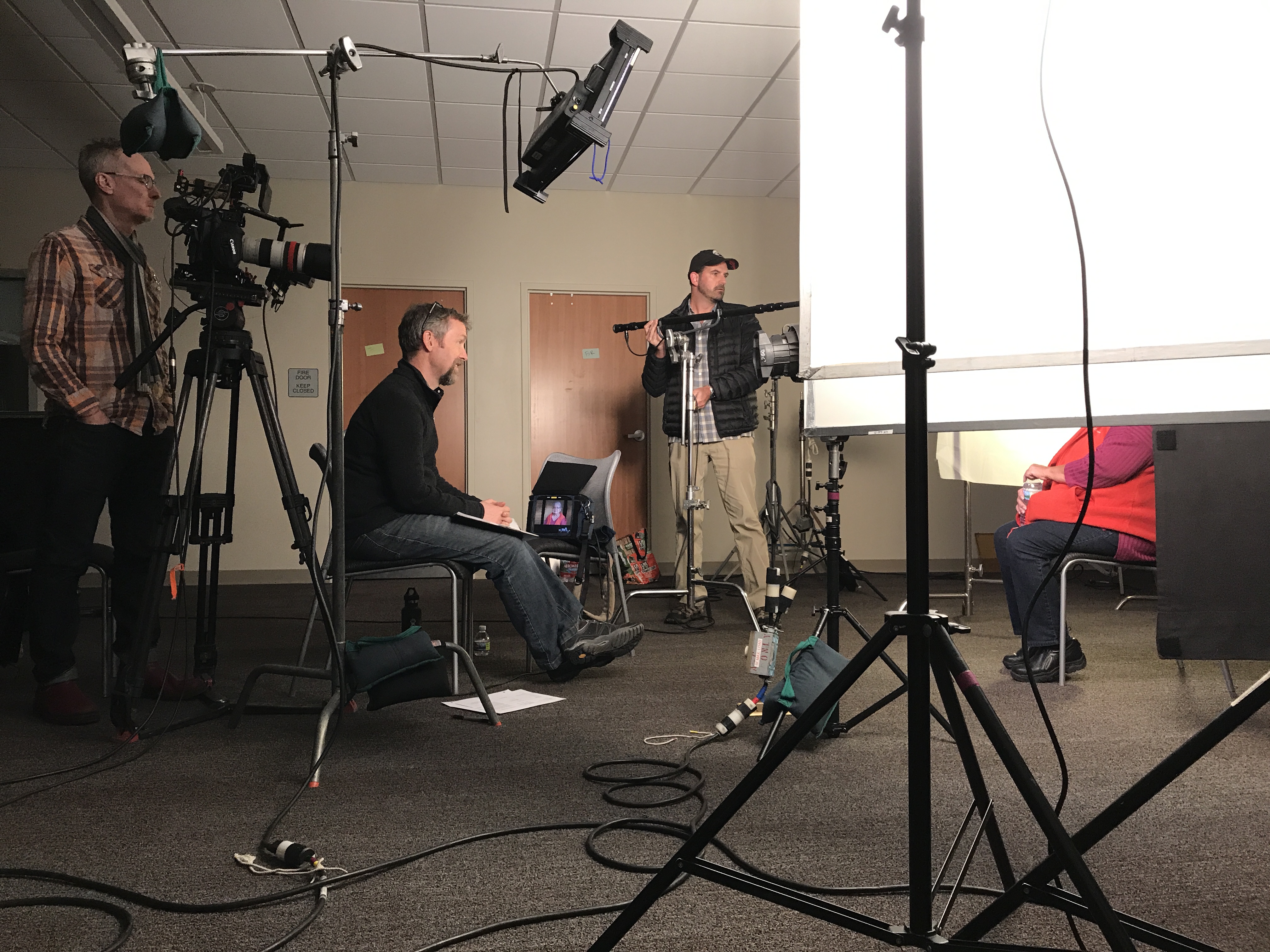
Instead, we partnered with a premier videographer in the region and conducted, recorded, and analyzed dozens of interviews with Nez Perce elders at the Colville, Umatilla, and Nez Perce Reservations (some 250+ miles from each other). This is the content that our project, with its ambitious vision, demanded. The park acquired once-in-a-generation content whose value extends far beyond the exhibit alone. The exhibit is told almost exclusively through Nez Perce voices.
Candidly, I doubt the exhibit will gain much press. Nez Perce National Historical Park flies low on most radars. But in twelve years of perfecting the rules of telling a story through an exhibit, I can think of none—including the countless that I’ve just visited—that is more powerful, more meaningful, or more successful. We just had to break a few rules to get there.
My contributions to the team included:
- Design project management
- Theme, concept, and design development
- Facilitation of stakeholder sessions with elders, including learning how and when to sit back, listen, and learn
- Minor scriptwriting, as well as limited editing and facilitation with park and elder expertise to finalize exhibit text.
- Oral history project management, including on-site attendance during filming to review and integrate content

Let’s talk
about it!
Want to learn more
about the project?
Want to meet some of the
amazing people involved?
Let’s connect!
 Hi there. I'm Ned.